
The Forest Chronicles
An Authoritative Deep-Dive into the Heritage and Soul of Sariska
The Royal & Protective History
Long before Sariska became a beacon of international wildlife conservation, it breathed as the exclusive, highly guarded hunting preserve of the Maharaja of Alwar. Throughout the 19th and early 20th centuries, these valleys echoed with the royal expeditions of princely states. The ultra-dense scrub forests and steep rocky ravines served as the private theater for royal hunting parties, designed to entertain visiting British dignitaries, sovereigns, and elite marksmen.
The architectural relics of this era still emerge silently from the forest canopy today. Perched on a dramatic precipice directly overlooking Siliserh Lake sits the Maharaja’s hunting lodge, alongside specialized royal shooting towers camouflaged seamlessly within the deep valleys. Despite the toll of historical gaming hunts, the absolute royal isolation of these grounds inadvertently shielded Sariska’s core wilderness ecosystems from the mass agricultural land clearances that reshaped northern India.
As India pivoted toward preservation, the transition of Sariska was rapid and historic. In 1955, recognizing the extraordinary concentration of apex predators and structural biodiversity, the government declared the entire royal hunting grounds a protected Wildlife Sanctuary. This crucial milestone completely banned commercial logging and unauthorized entries, allowing the forest to heal and reclaiming territories for the wild.
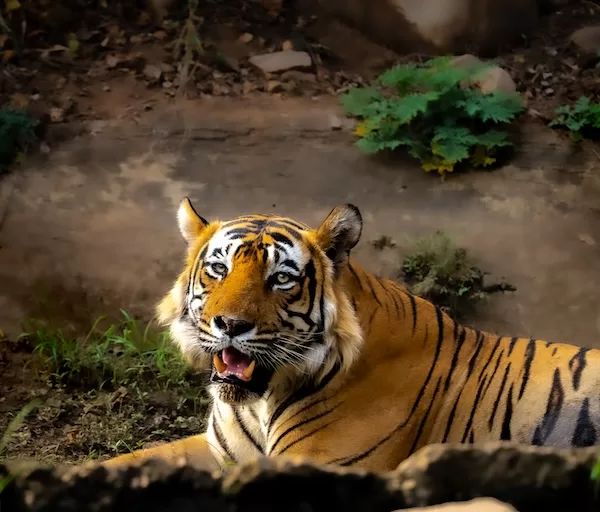
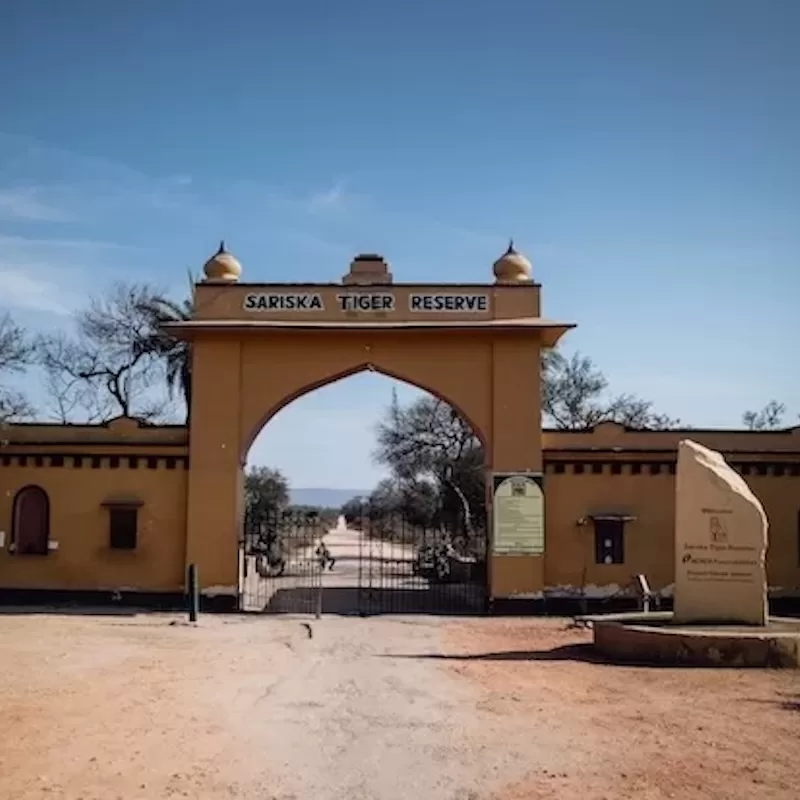
The ultimate structural transformation occurred in 1978, when Sariska was formally inducted into the government's elite banner as a core Project Tiger Reserve. This gave the forest supreme statutory protection, drawing global boundaries around its core territory. Today, it stands proud as a monument of environmental resilience—famous across the globe as the location of the world's first successful scientific tiger re-introduction project.
The Ancient Geology & Horizons
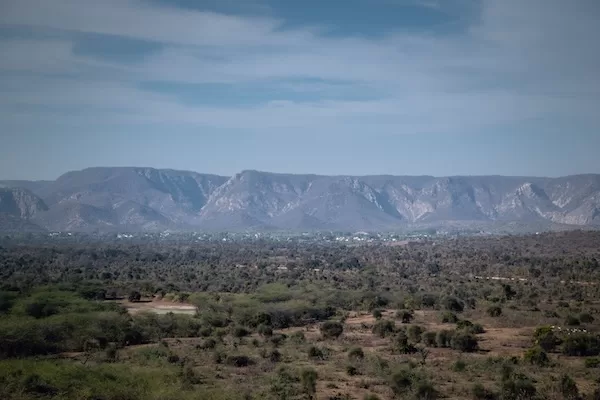
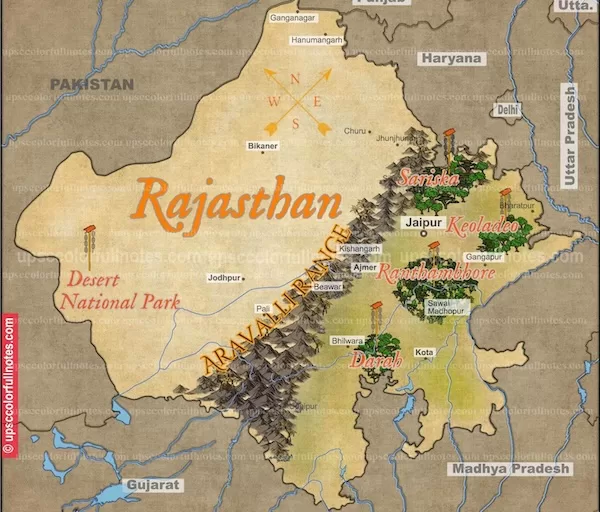
The physical topography of Sariska is dictated entirely by the rugged embrace of the Aravalli Range—one of the oldest folded mountain systems on Earth. Geologically older than the Himalayas, these quartzite and metamorphic rock formations frame Sariska into a dramatic labyrinth of sharp, jagged cliffs, sheer escarpments, and isolated flat-topped hills known as *flat-plateaus*.
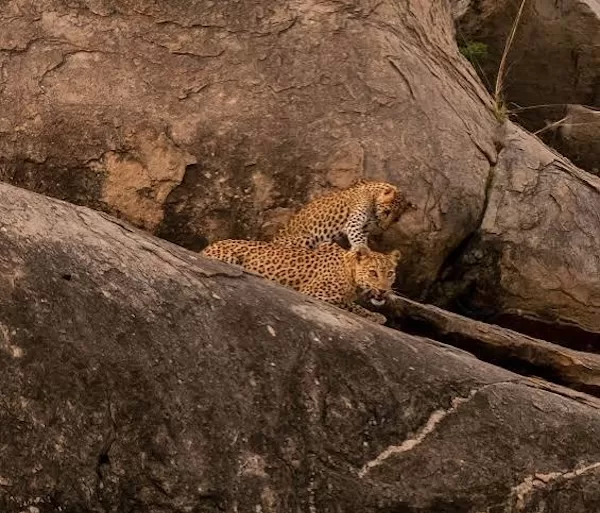
Tucked deep within these ancient ridges are wide, dry deciduous valleys that slope gently down into narrow, shadowy gorges. These rocky formations create unique macro-climates inside the valleys, where pocketed water holes and dry river beds become critical lifelines for predators during tracking patterns. The dramatic cliffs are not just beautiful; they serve as protective vantage points for the elusive Indian Leopard, while providing nesting ledges for apex birds of prey.
What truly makes Sariska unforgettable to travelers is its striking, dramatic seasonal transformation. In the blazing summer months from April to June, the landscape shifts into an intense arid gold phase. The parched *Dhok* trees lose their foliage, opening up high-visibility horizons across the valleys. This arid cycle gathers the wildlife around remaining natural springs, creating spectacular opportunities for clear safari observations.
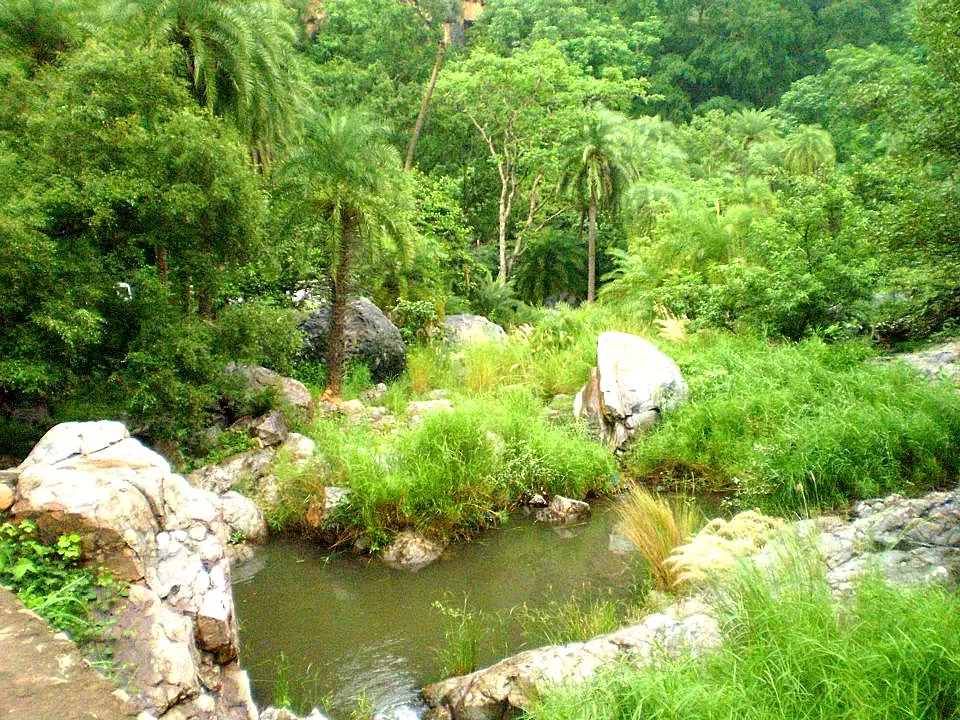
Then, with the arrival of the monsoon winds in July, the entire reserve goes through a breathtaking aesthetic overhaul. Within days, the parched gold valleys explode into a rich, lush monsoon emerald canopy. Seasonal waterfalls stream down the quartzite cliffs, hidden rivers come alive through the deep gorges, and the thick forest floor reawakens. This regular shift between dry golden plains and lush green wilderness makes Sariska one of the most geologically dynamic reserves in the world.
Haunted Battlements and Sacred Stones: The Forest Remembers
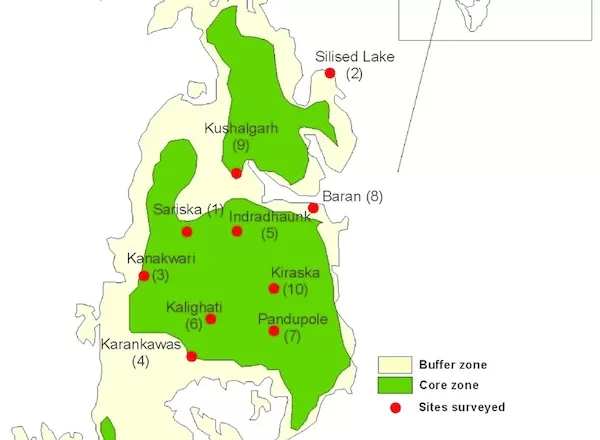
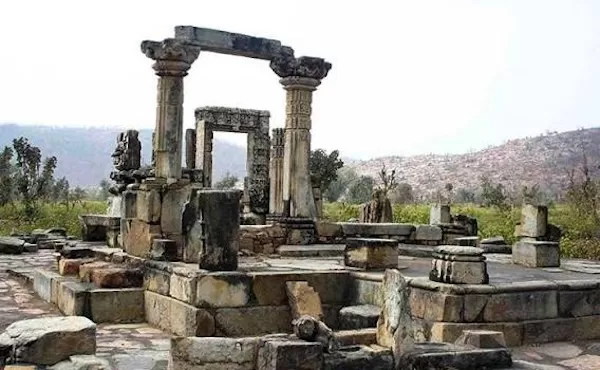
Sariska's wilderness is seamlessly intertwined with epic history and royal architectural ruins. Standing isolated on a jagged hilltop deep inside the reserve sits the imposing Kankwari Fort—the solitary prison where the Mughal Emperor Aurangzeb confined his brother Dara Shikoh during a bitter war of succession. Further into the core buffer zone lie the mesmerizing, weathered ruins of the 10th-century Neelkanth Mahadev Temple. Here, wild leopards pass among intricate stone carvings of ancient deities, and nature slowly reclaims monument walls built by empires that crumbled long ago.
The Secret Corridor: From Four-Horned Antelopes to Raptor Canopies
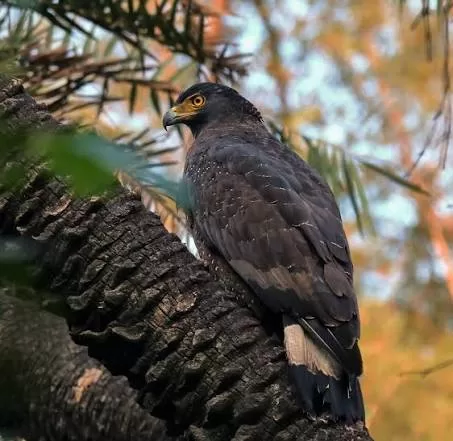
Beyond its famous striped predators, Sariska harbors a fascinating hidden jungle that draws dedicated wildlife tracking purists from all over the world. Deep within the dry deciduous grasslands, the unique Four-Horned Antelope (Chousingha) steps carefully through sacred Katha groves. Above them, the skies serve as a major raptor migration corridor. Crested Serpent Eagles and Peregrine Falcons scan the cliffs, cutting through the air alongside India's densest concentration of Peafowl. In the valleys, the seasons paint the landscape: the Dhok trees transform from dry summer gold to lush monsoon emerald, punctuated by the vibrant crimson bloom of the Flame-of-the-Forest (Palash).
Immerse Yourself in the Heritage Loop
Our luxury standalone cottages sit gracefully right on the edge of these historic boundaries. Let our team map an authentic tracking route for you through these ancient lands.